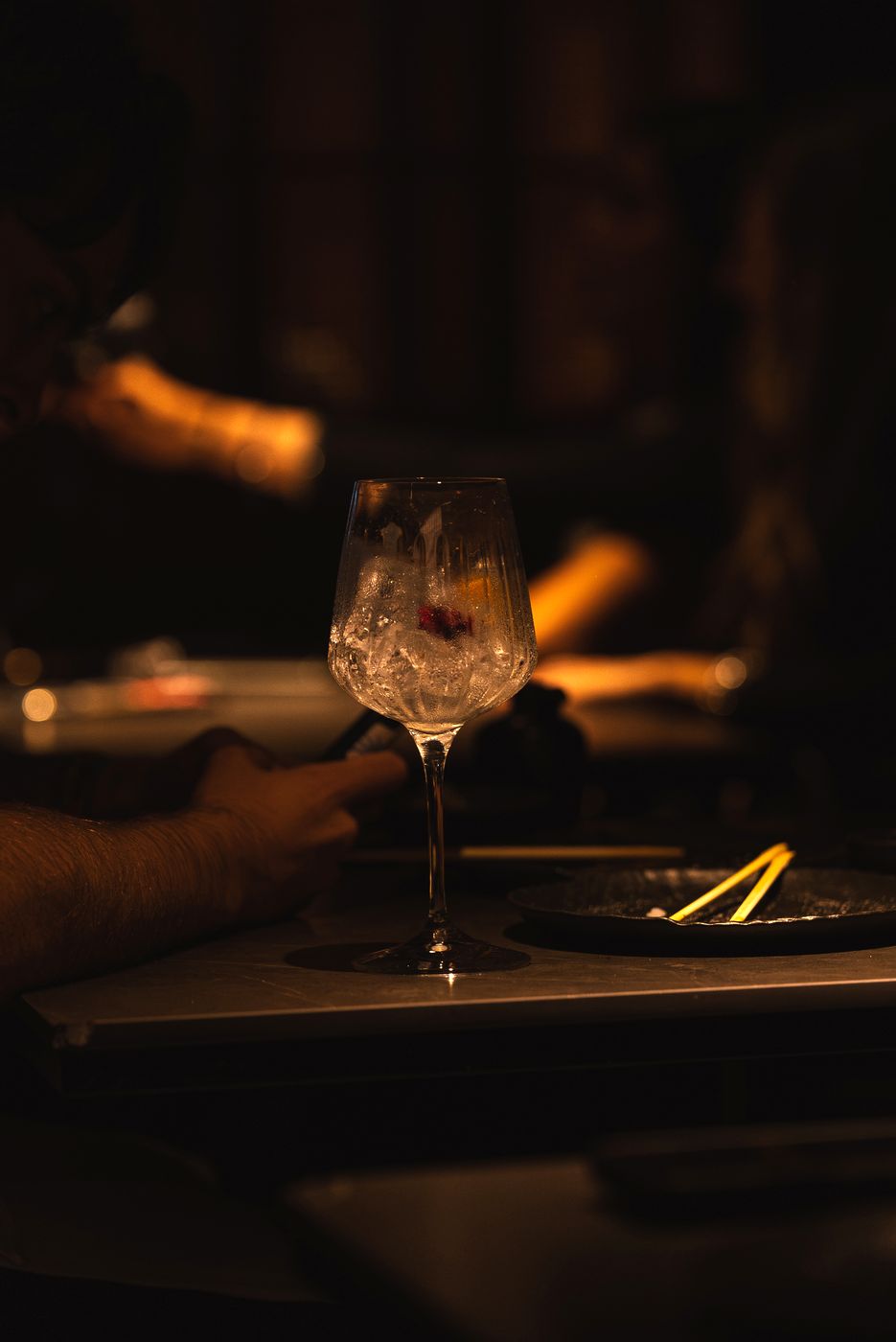
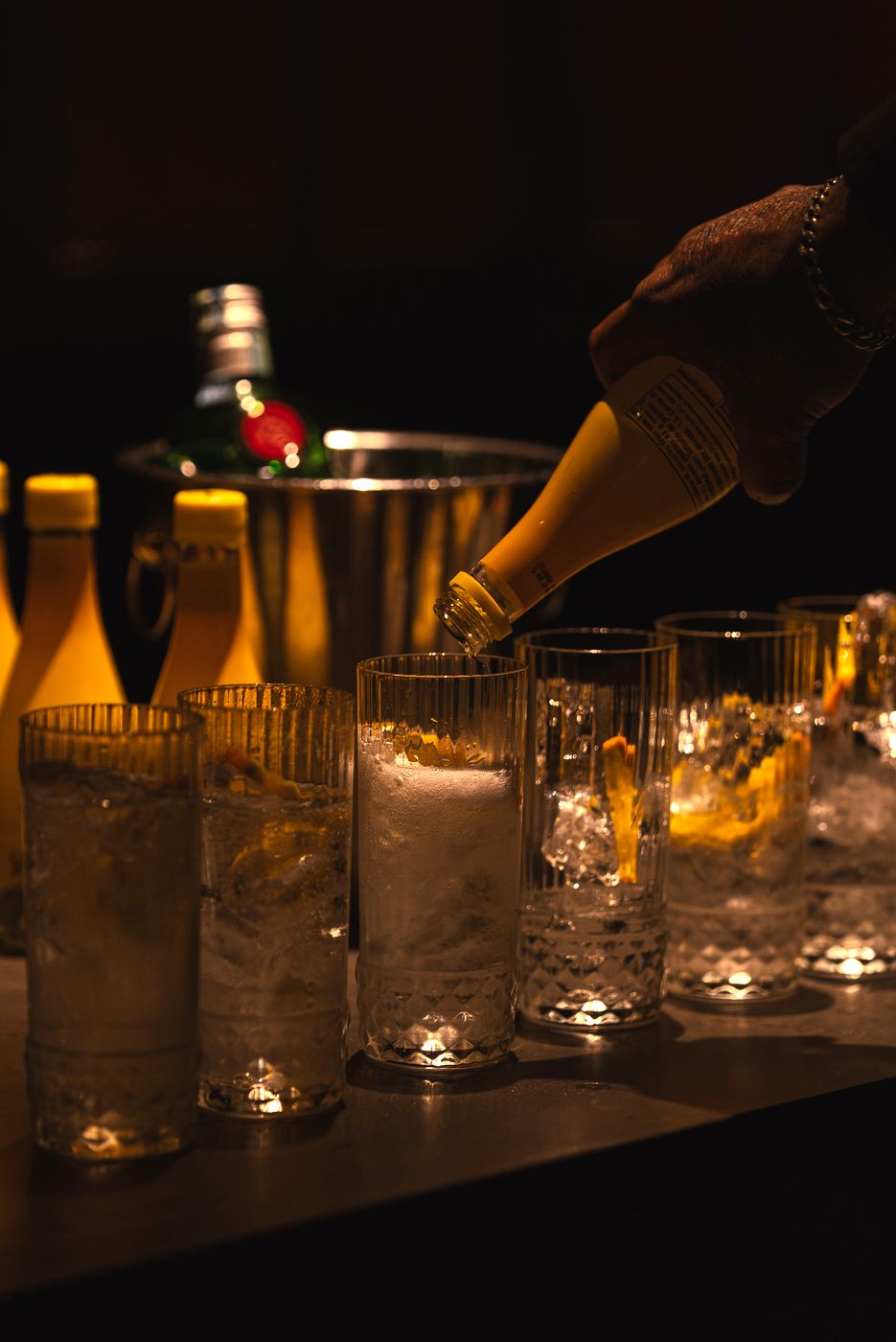
A highball is whisky and soda in a tall glass. Nothing else. That is exactly why it's hard: with three ingredients, every mistake shows.
A drink that travelled
The highball wasn't born in Japan. It came from the West, like whisky itself. But Japan adopted it in the 1950s, when neighbourhood bars served it as the after-work drink: cold, long and easy with food. Decades later it came back into fashion, and today people order it at any izakaya as casually as a beer.
A hundred years of Japanese whisky
The story starts with two men. In 1923 Shinjiro Torii founded the Yamazaki distillery, near Kyoto, the country's first malt whisky distillery. His first master distiller was Masataka Taketsuru, who had travelled to Scotland to learn the trade. In 1934 Taketsuru went north, to Yoichi in Hokkaido, and founded his own house, the one now known as Nikka. Much of Japanese whisky comes from those two paths.
The method
A tall, cold glass. Large, clear ice, so it chills without watering down. Whisky first, stirred to cool it. Then soda, ice cold, poured slowly down the side so the bubbles survive. One turn of the spoon, from the bottom up. Sometimes a strip of lemon peel. The classic ratio is one part whisky to three or four of soda.
Three ingredients and nowhere to hide.
Mizuwari, the quiet cousin
Swap the soda for still water and the drink is called mizuwari, "cut with water". It's gentler still, and it's how many people in Japan drink whisky with a meal.
Why it suits sushi
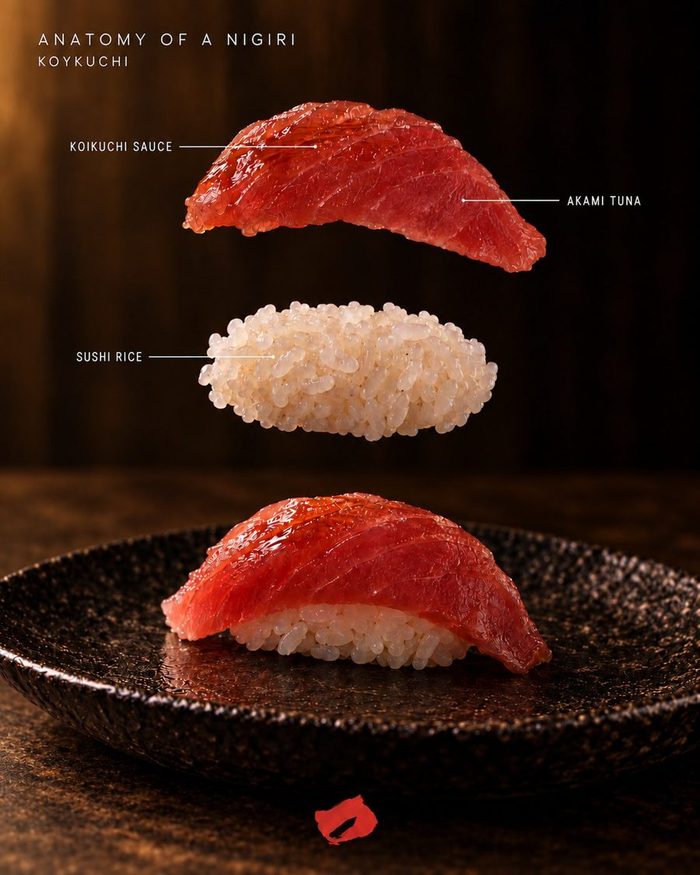
A highball is dry, cold and sparkling. It clears the palate the way ginger does, doesn't compete with the fish and stands up to anything fried or rich. Alongside sake, it's the other great partner of Japanese food.
At the bar
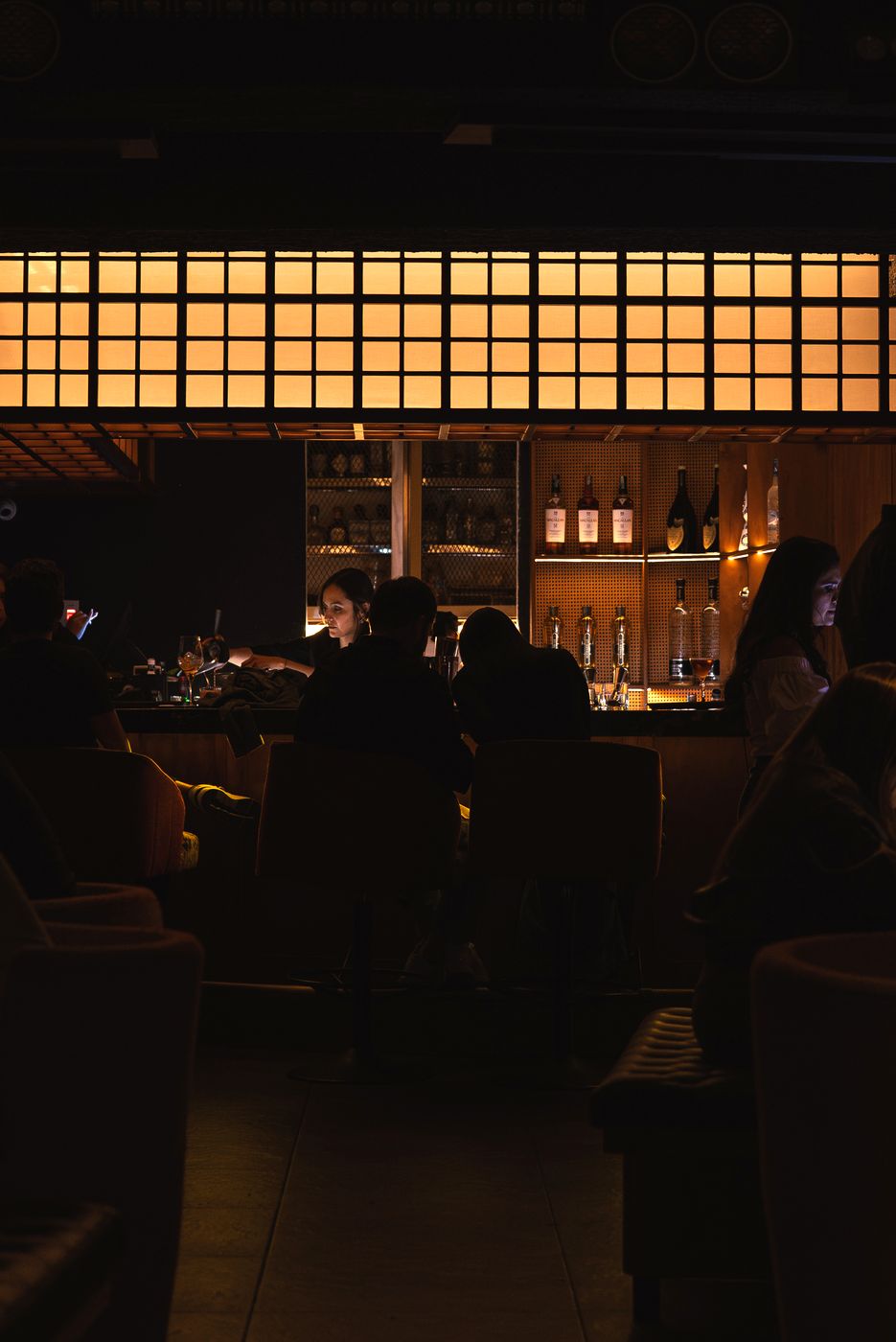
At ONO, the bar works with sake and signature cocktails. Ask what whisky is on and have it long, with soda. Read our sake guide, find out what an izakaya is and book your table at Calle 84A #9-11.